Story
How One Book Became One Table
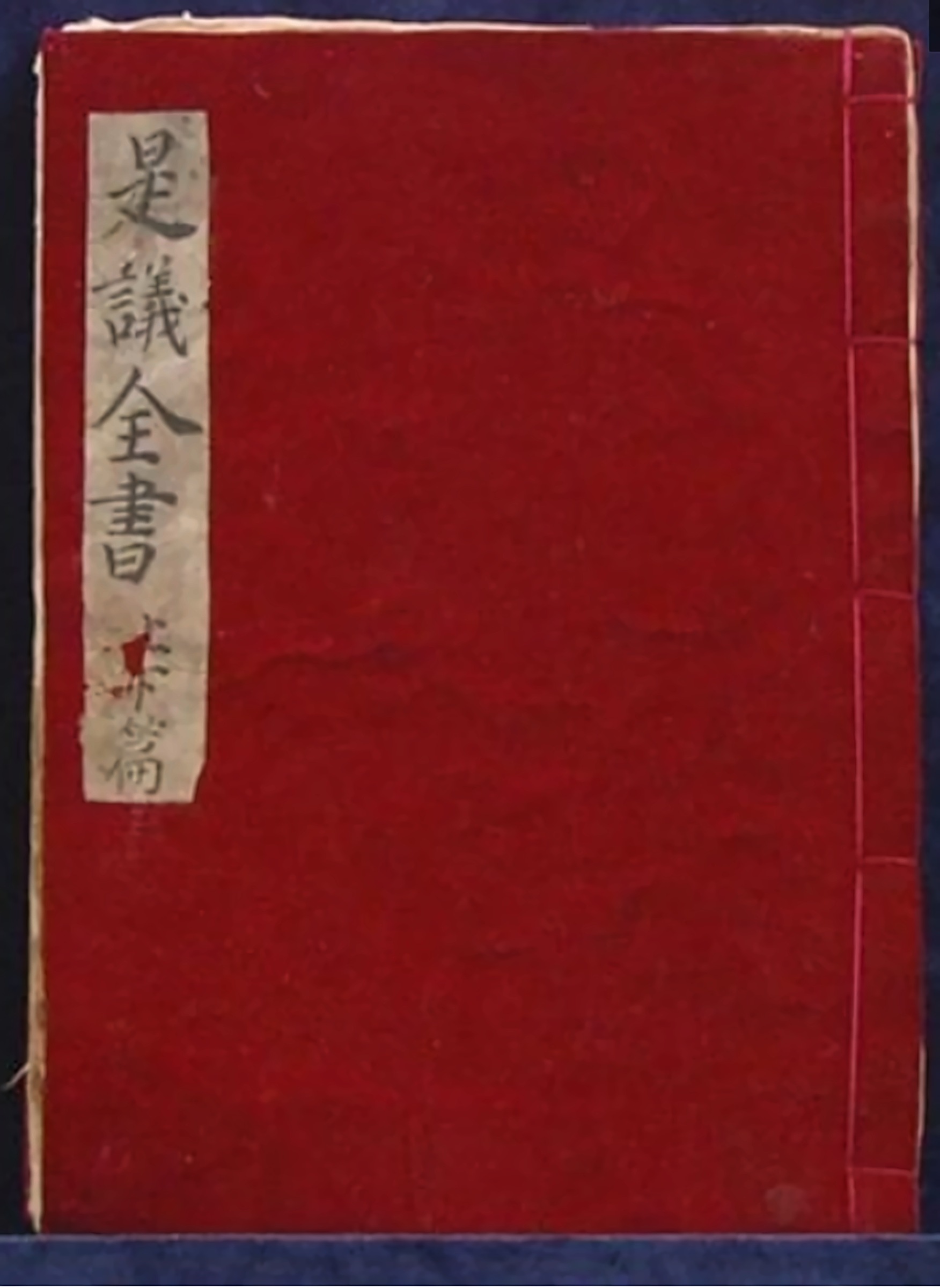
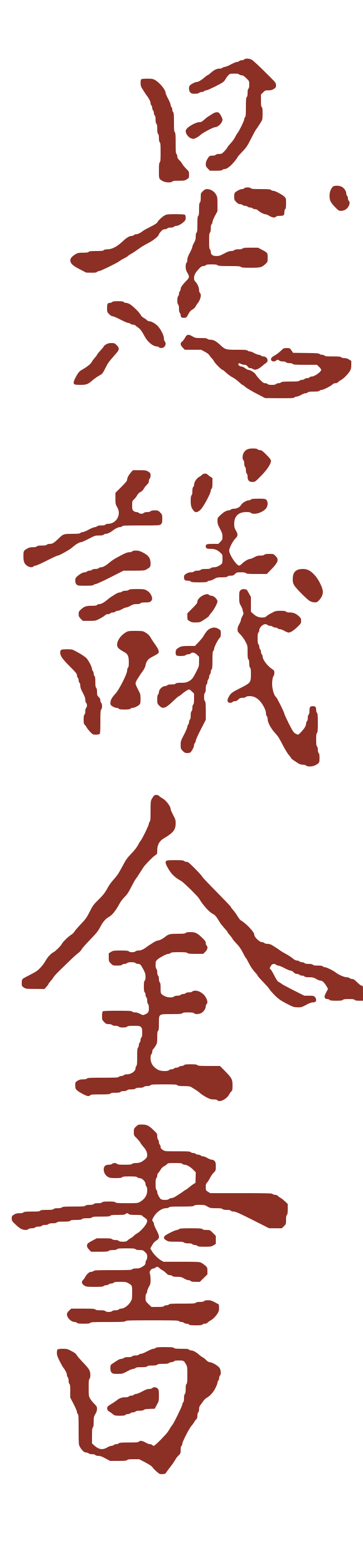
To begin (是), to deliberate (議), to make whole (全), and to set it down in writing (書).
What Is Siuijeonseo
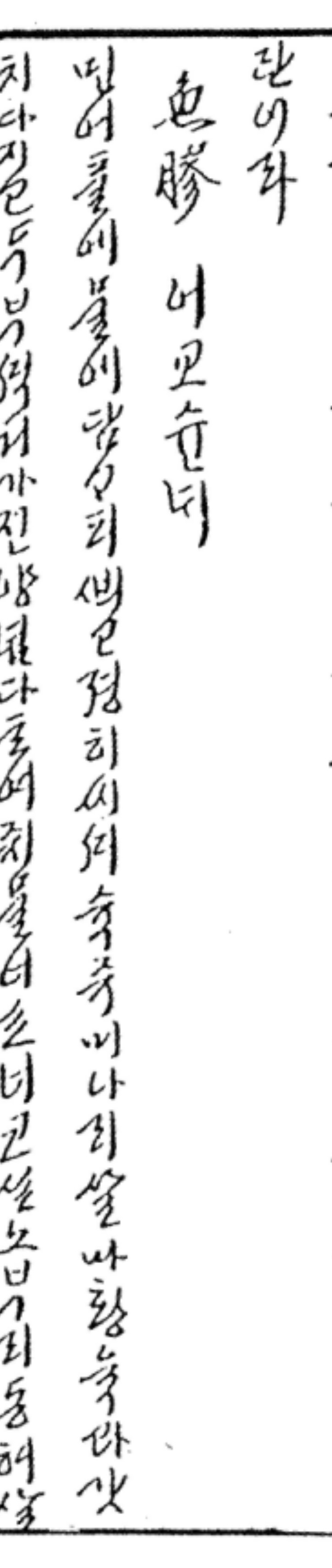
Siuijeonseo is a cookbook from the late Joseon dynasty, about 200 years ago, recording the food and table settings of yangban (noble) households.
It is also known as the book in which the dish we now call bibimbap was first recorded, under the name "bubimbap."
Written in someone's kitchen, by someone's hand, the book preserves how the people of that time welcomed an honored guest.
Why We Began
There is plenty of delicious Korean food.
A table with a story, though, is rare.
We spent more than a year on the road looking for that story. We sought ingredients from the sea in Mokpo and Wando, old recipes in Seoul, and in Sangju we met the person who has safeguarded Siuijeonseo and were entrusted with its record.
Our broth is simmered from bones in an iron cauldron made by a master caster recognized as an intangible cultural heritage holder. Every dish was refined over more than 100 tastings, and Eogyo-sundae — just four pieces from one brown croaker — was perfected after 50 attempts.
- Mokpo · WandoIn search of the sea's ingredients: wild brown croaker, abalone, and how to prepare them.
- SeoulReading the old recipes again and again, we found ways to make them in a kitchen of today.
- SangjuWe met the person who has safeguarded Siuijeonseo and were entrusted with its record.
- GwangalliWe brought in the master caster's iron cauldron and, after more than 100 tastings, set our table.



Not simply a place to eat,
but a place to experience
Siuijeonseo is not a restaurant that simply sells a meal. We set a table where you can sit, for an evening, at a Joseon dining table of 200 years ago.
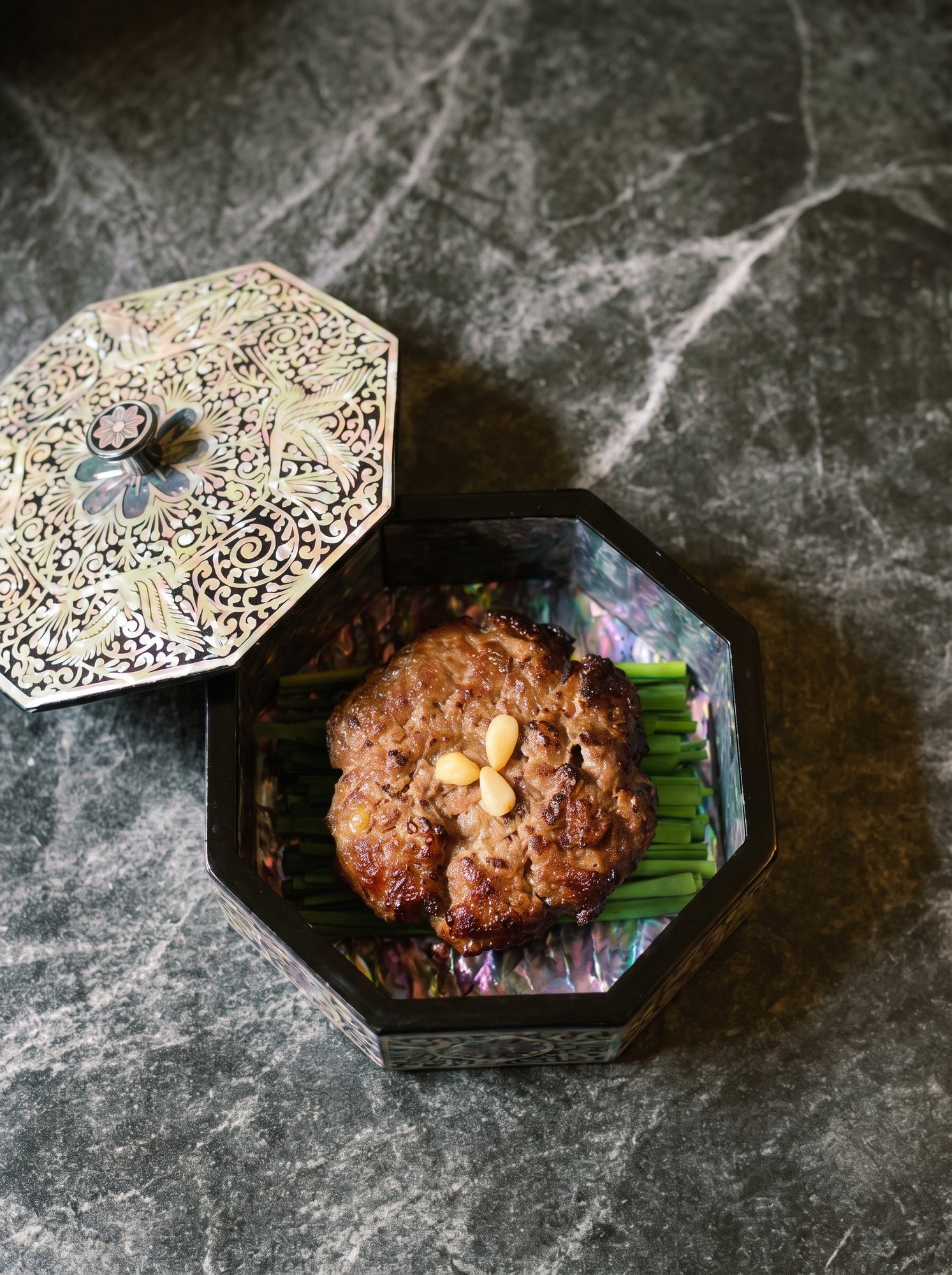
It begins with a cup of omija tea. Then the smoke of Mungchi-gui rising as the mother-of-pearl box opens, Baektang and Hongtang ladled fresh from the iron cauldron, and Eogyo-sundae made just as the old record describes.
Over four courses,
you become a guest of Joseon.
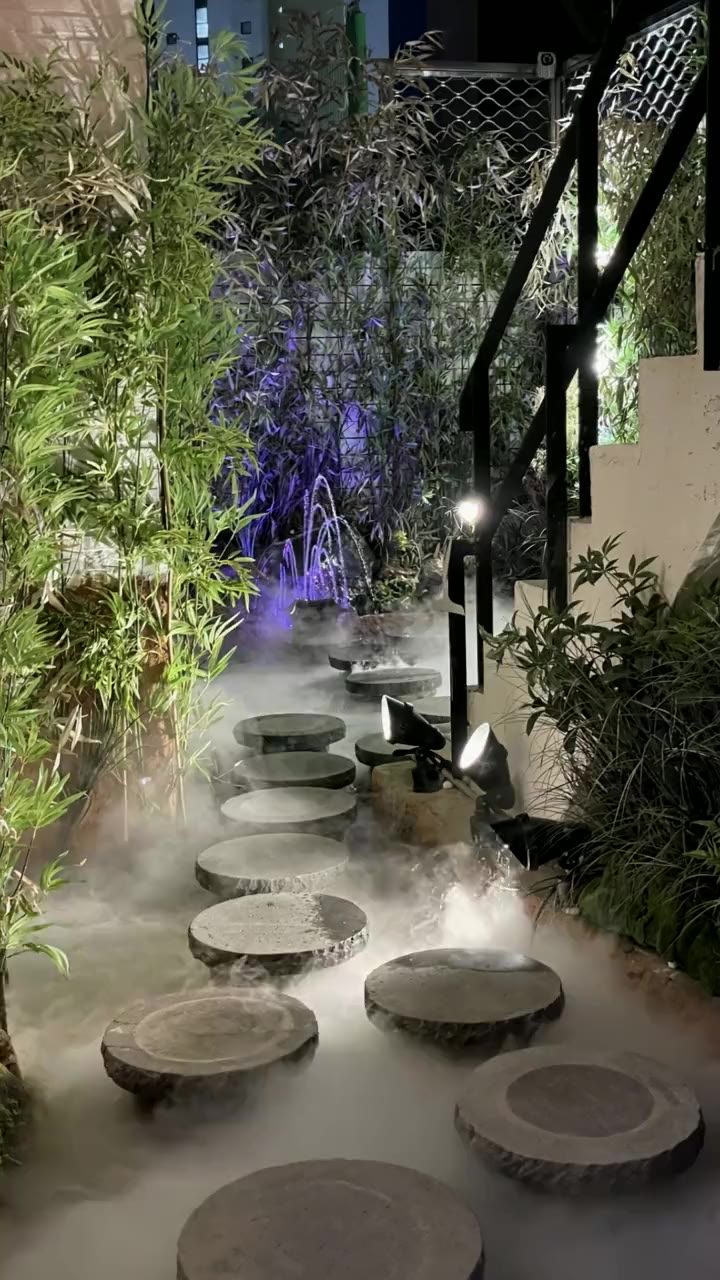
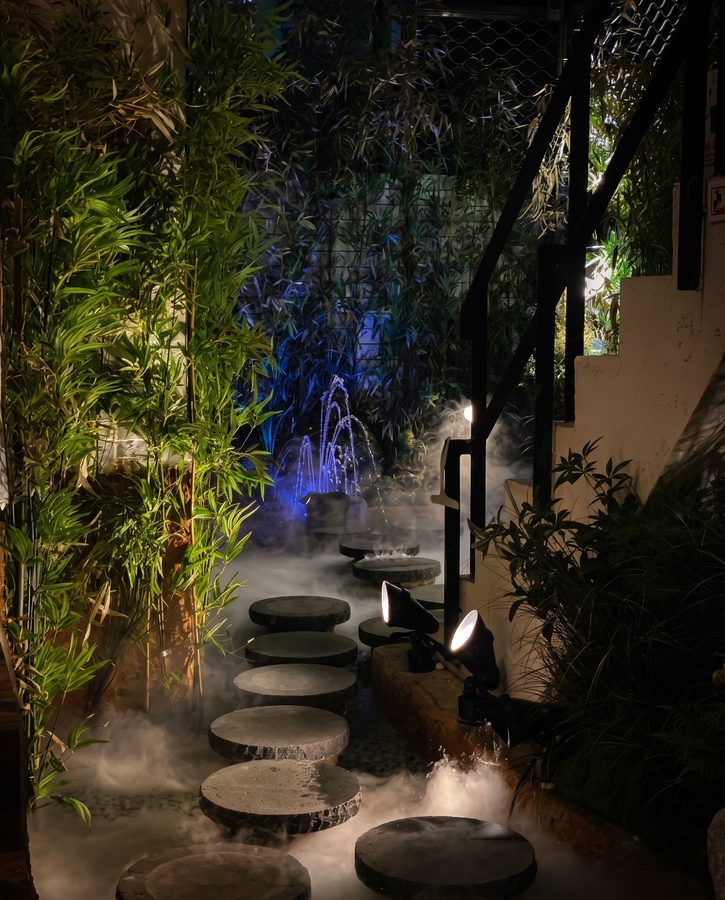
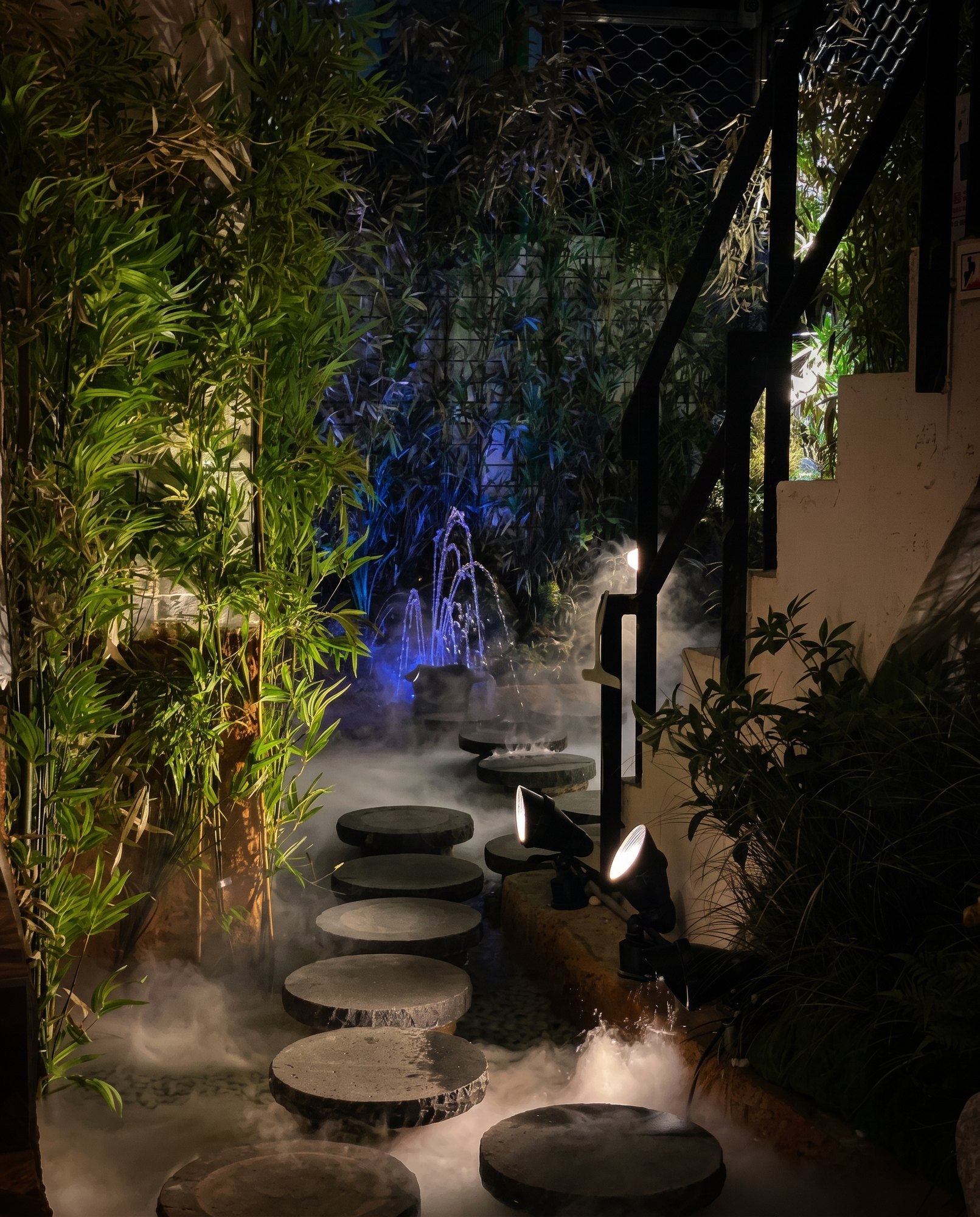
The Stone Bridge — a few steps across 200 years
There is no need to take off your shoes.
Only set your busy mind down for a moment as you cross.
The way up to the second floor crosses a stone bridge over the first-floor pond.
As mist rises beneath your feet,
200 years pass in a few steps.
Over two centuries ago, Joseon envoys set sail from Busan, carrying friendship and the flavors of Korea across the sea to Japan.
Today, just beyond our garden wall, there is a Japanese school.
No ships, no long voyage this time —
only a single wall, across which the aroma of a Joseon table quietly drifts.
The Joseon Tongsinsa were Korean goodwill missions to Japan that departed from Busan; the last one sailed in 1811.
To Our Guests
A record from 200 years ago, set on today's table.
The book records ingredients, preparation and the strength of the fire, but not the heart of the person sitting at the table. That empty space is ours to fill.
Four courses, beginning with a cup of omija tea and ending with sujeonggwa sorbet. Between them: steam from the iron cauldron, smoke from the mother-of-pearl box, and a sundae of which one brown croaker yields only four pieces.
Thank you for becoming a guest of Joseon. We hope the few steps across the stone bridge become an evening that stays with you.
With gratitude, Siuijeonseo Gwangan